



Period of travel
From May to November. individual booking and private group on request

Horseback expedition
Horseback

Transhumance
Special conditions
HORSEBACK EXPEDITIONS IN TUSHETI
HORSEBACK EXPEDITIONS
Horseback Riding in Tusheti – Immersion in the Heart of the Great Caucasus
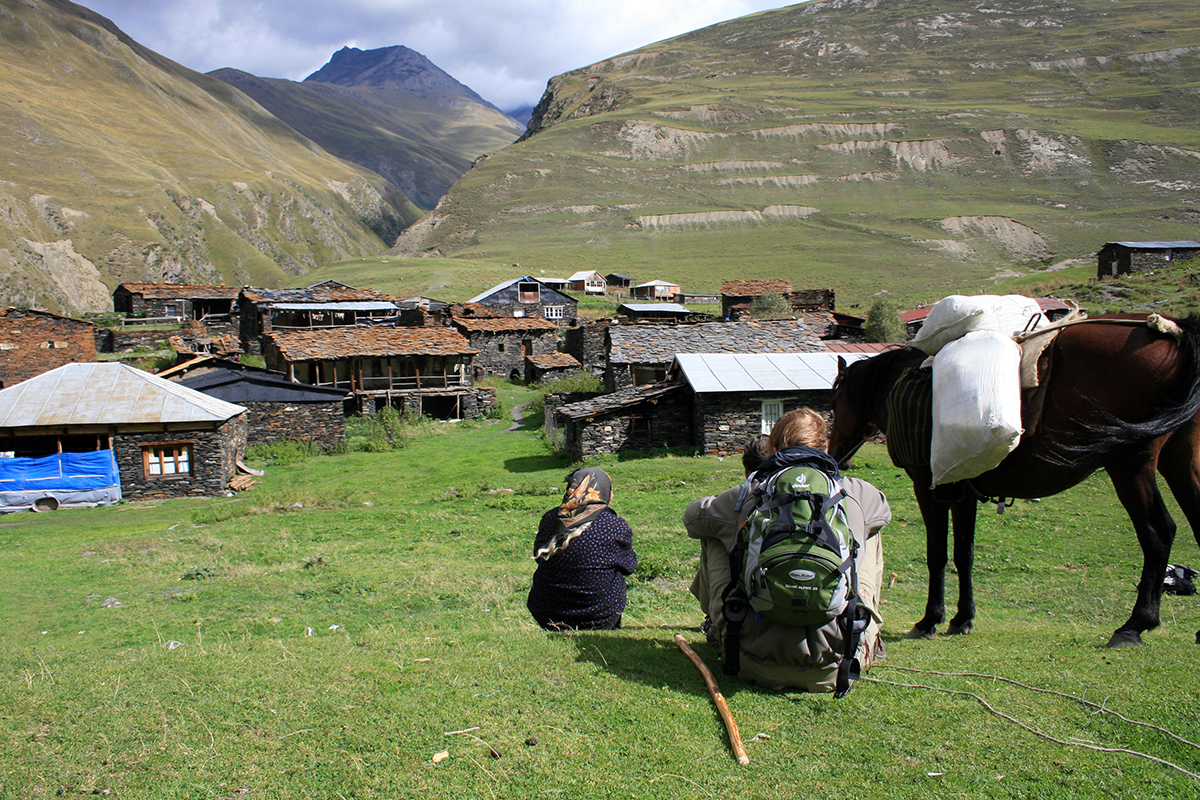
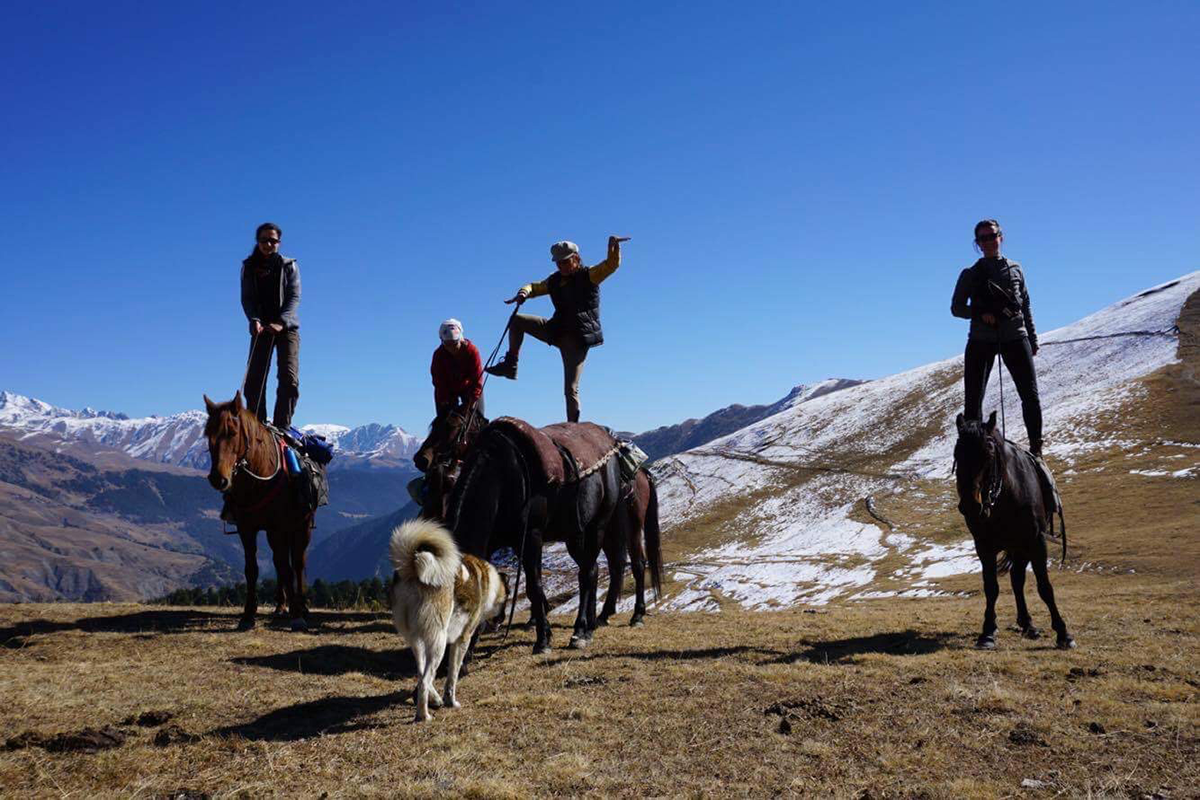
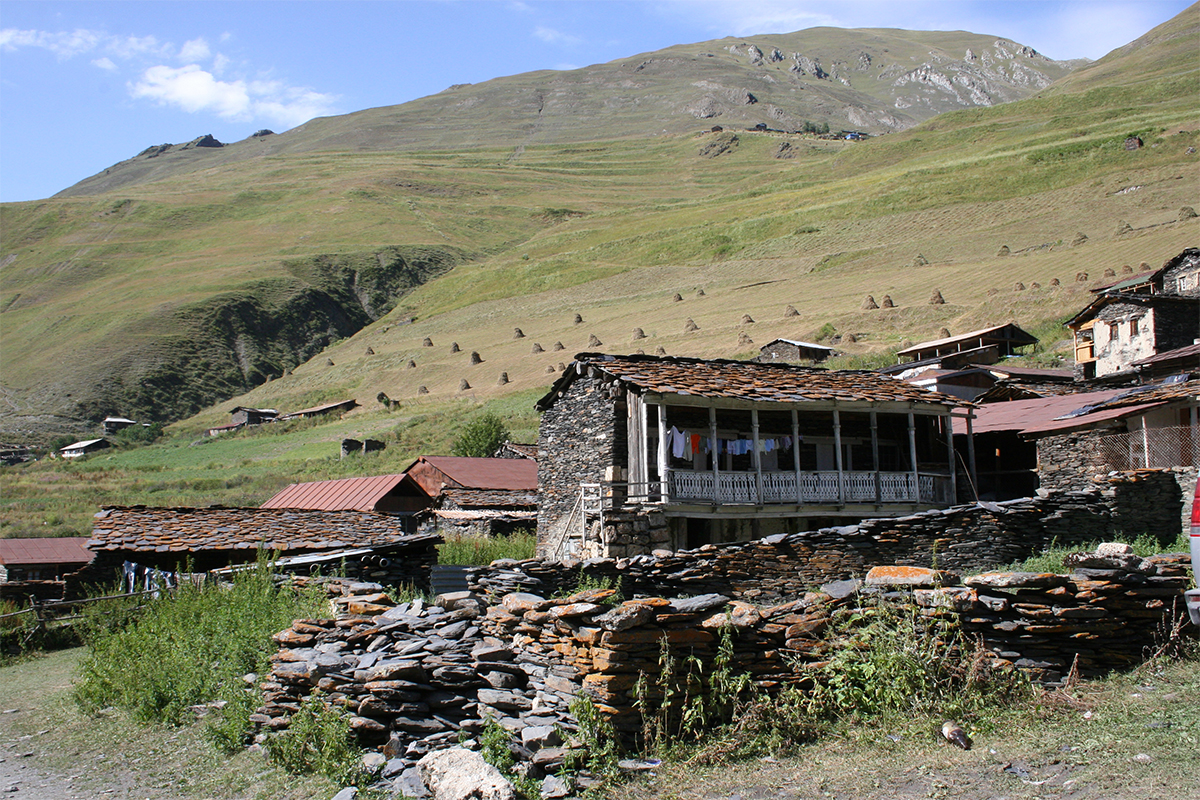
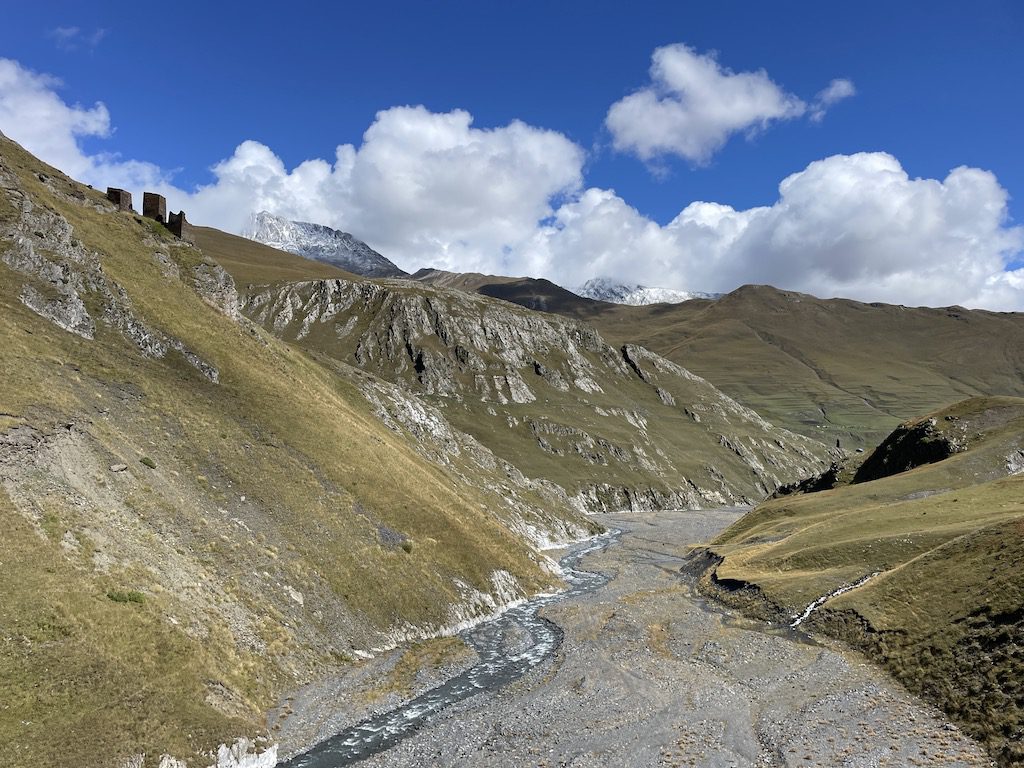
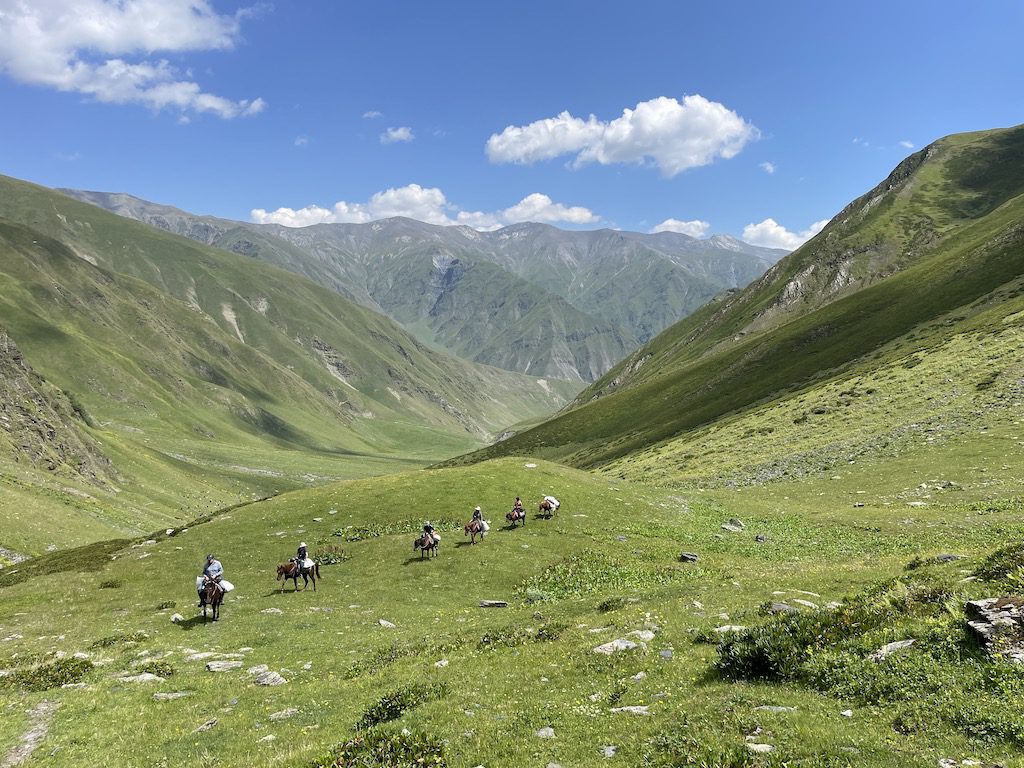
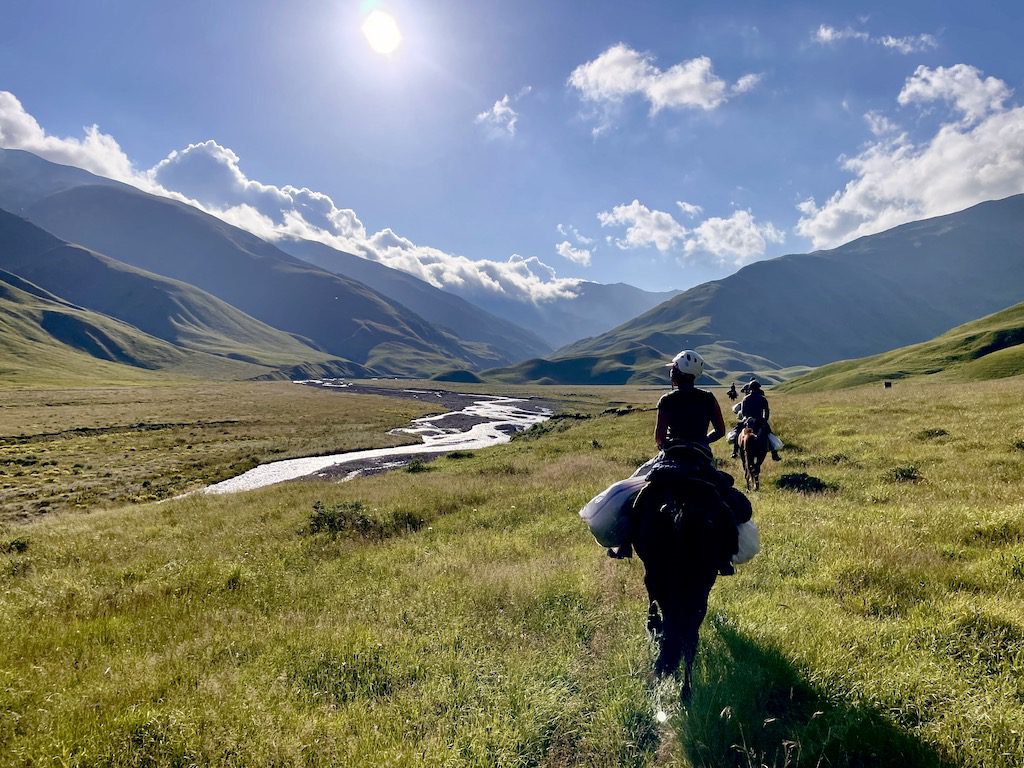
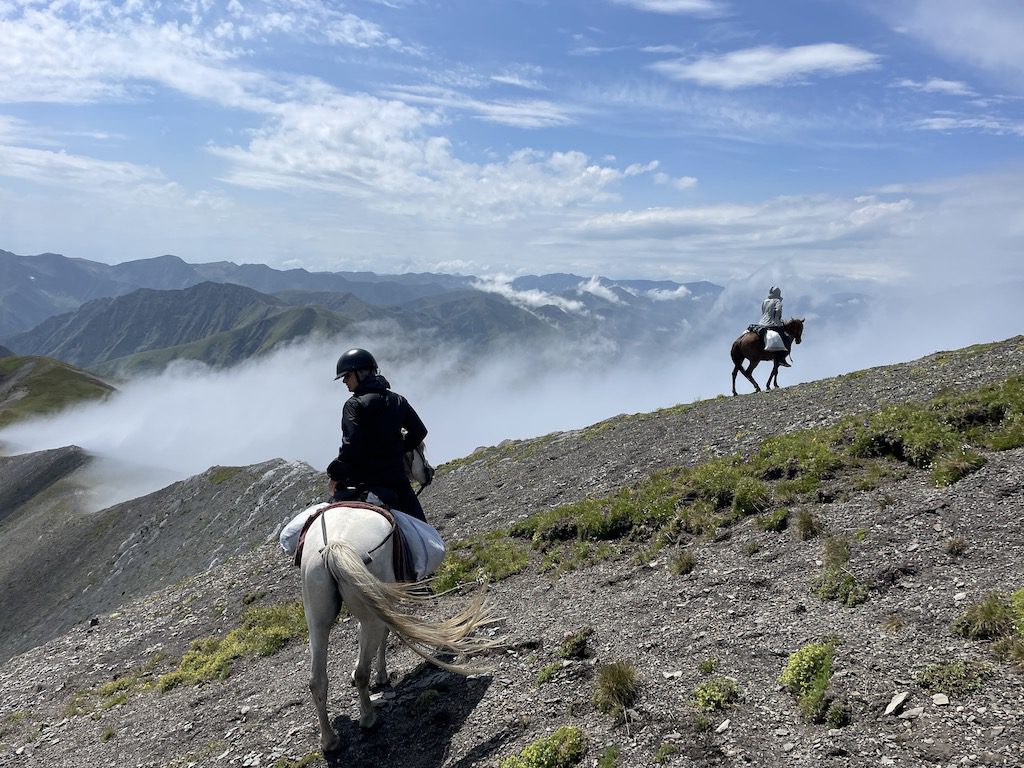
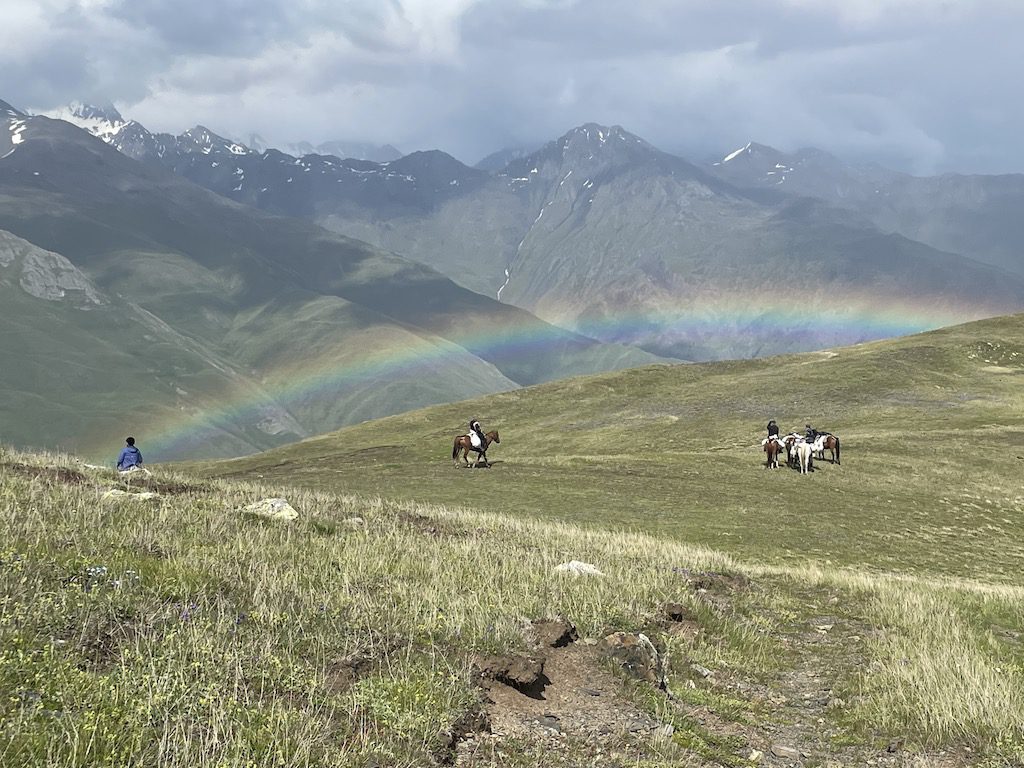
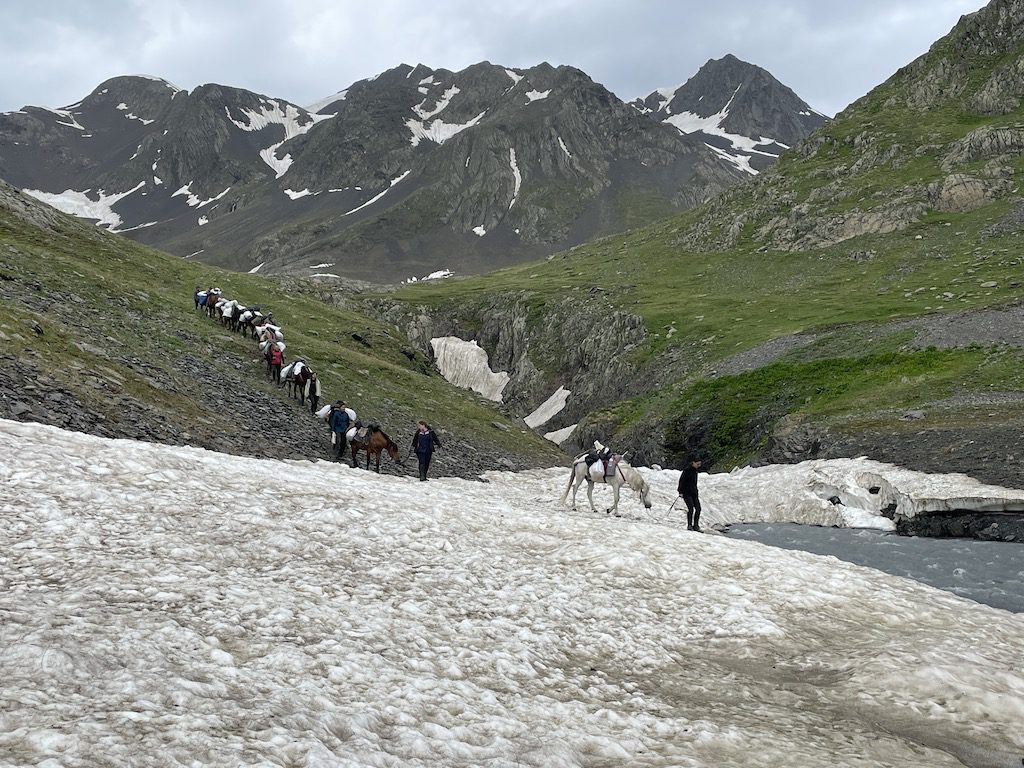
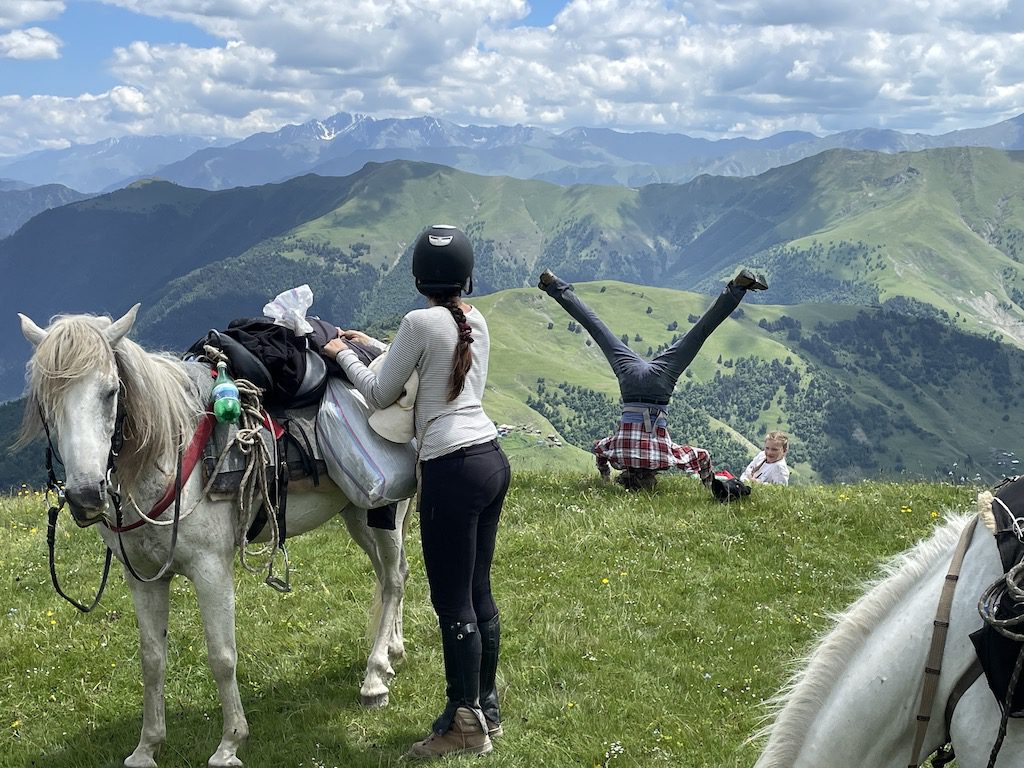
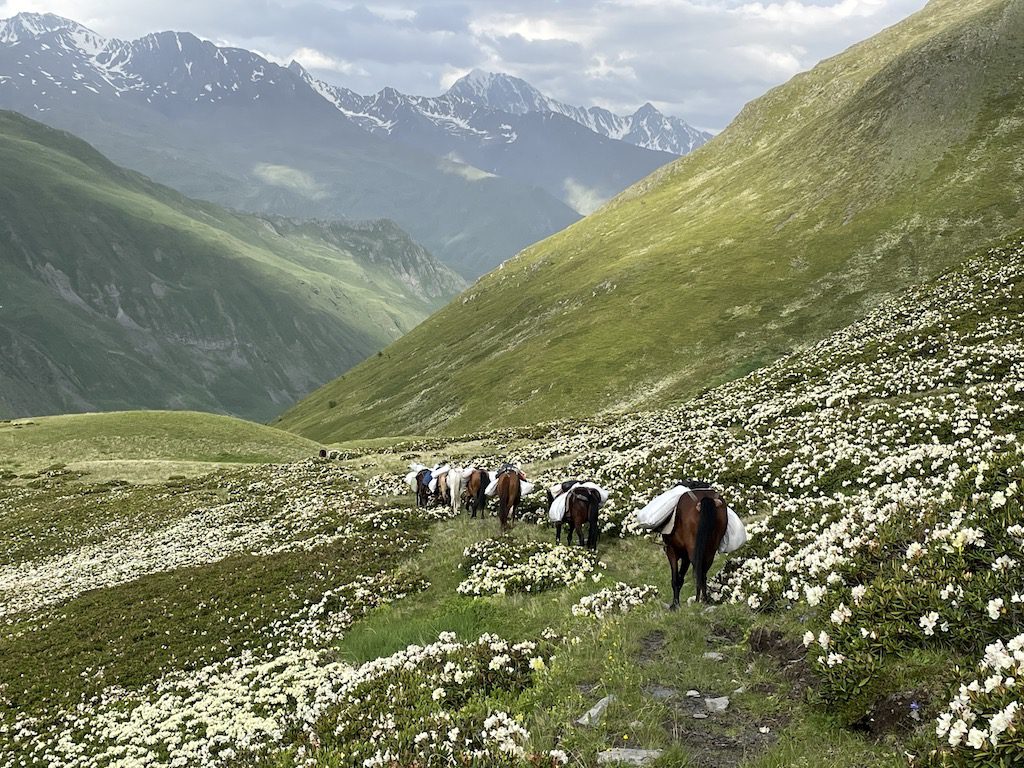
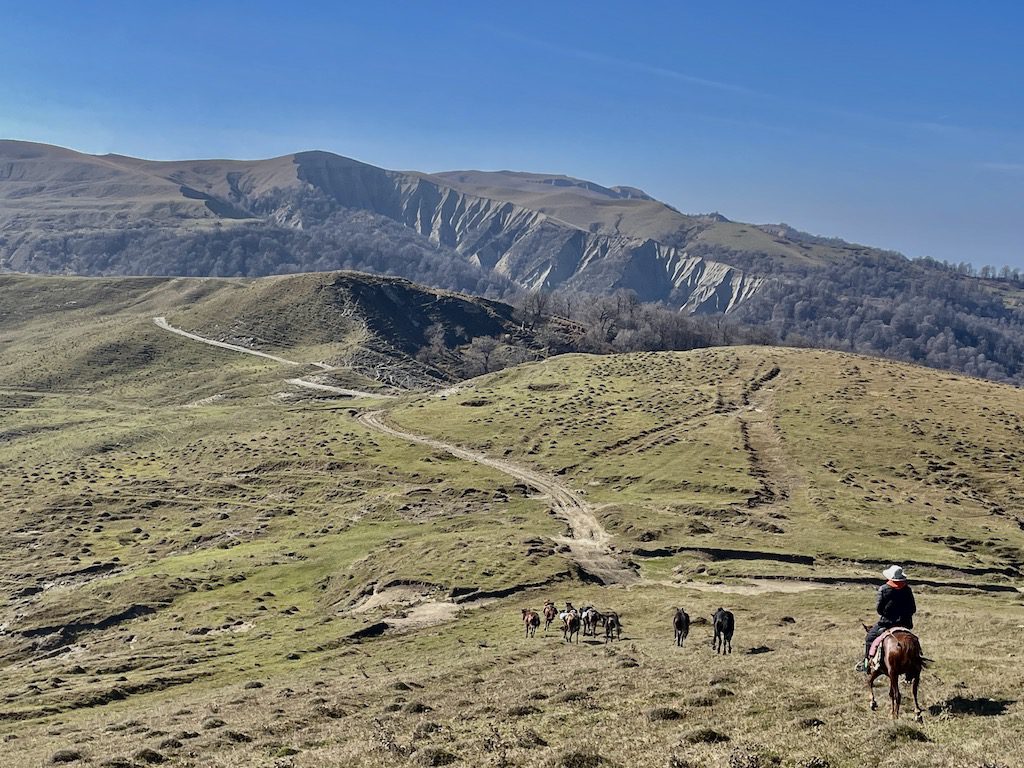
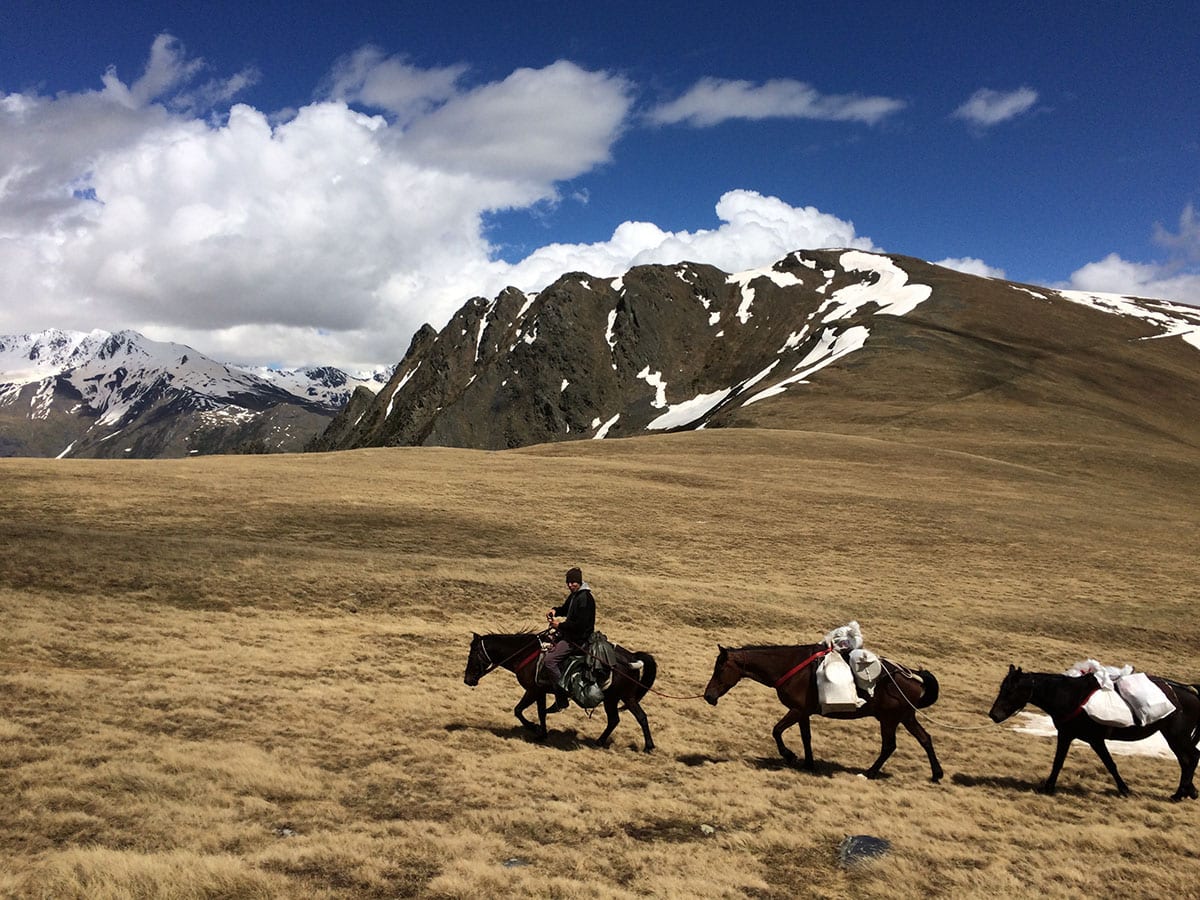
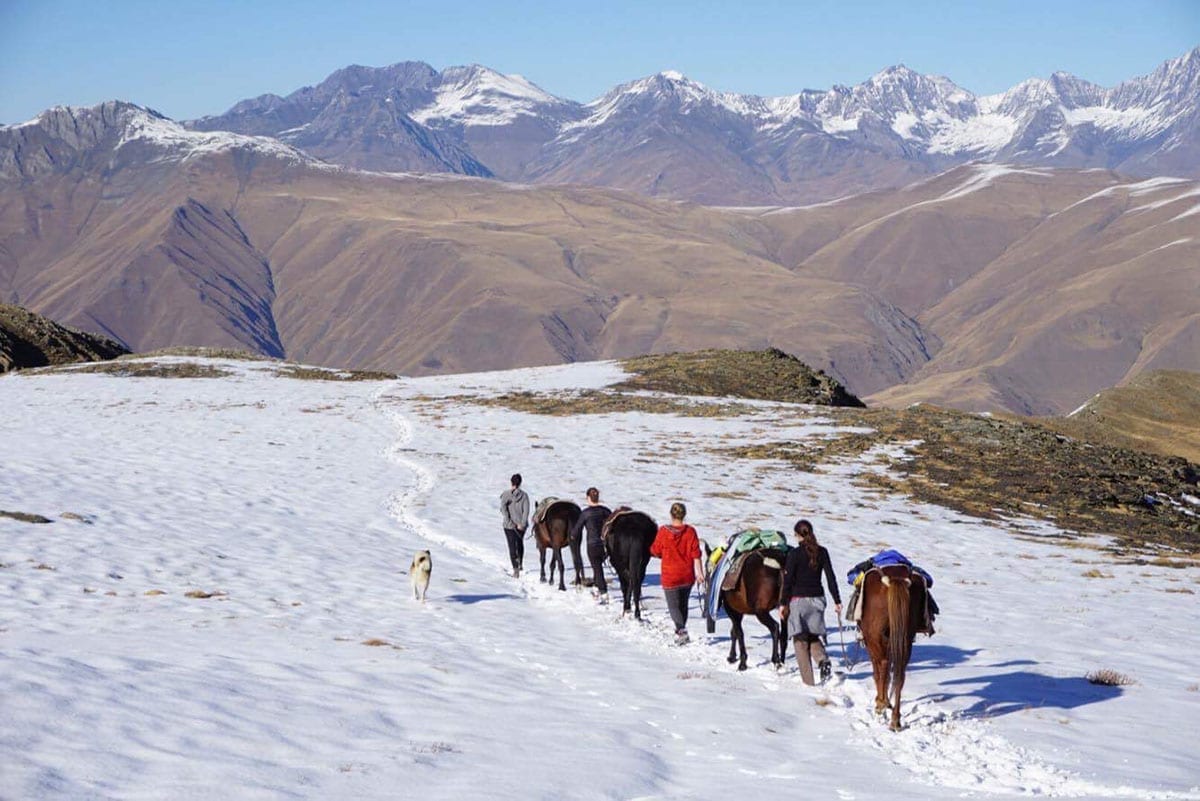
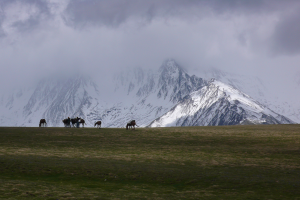
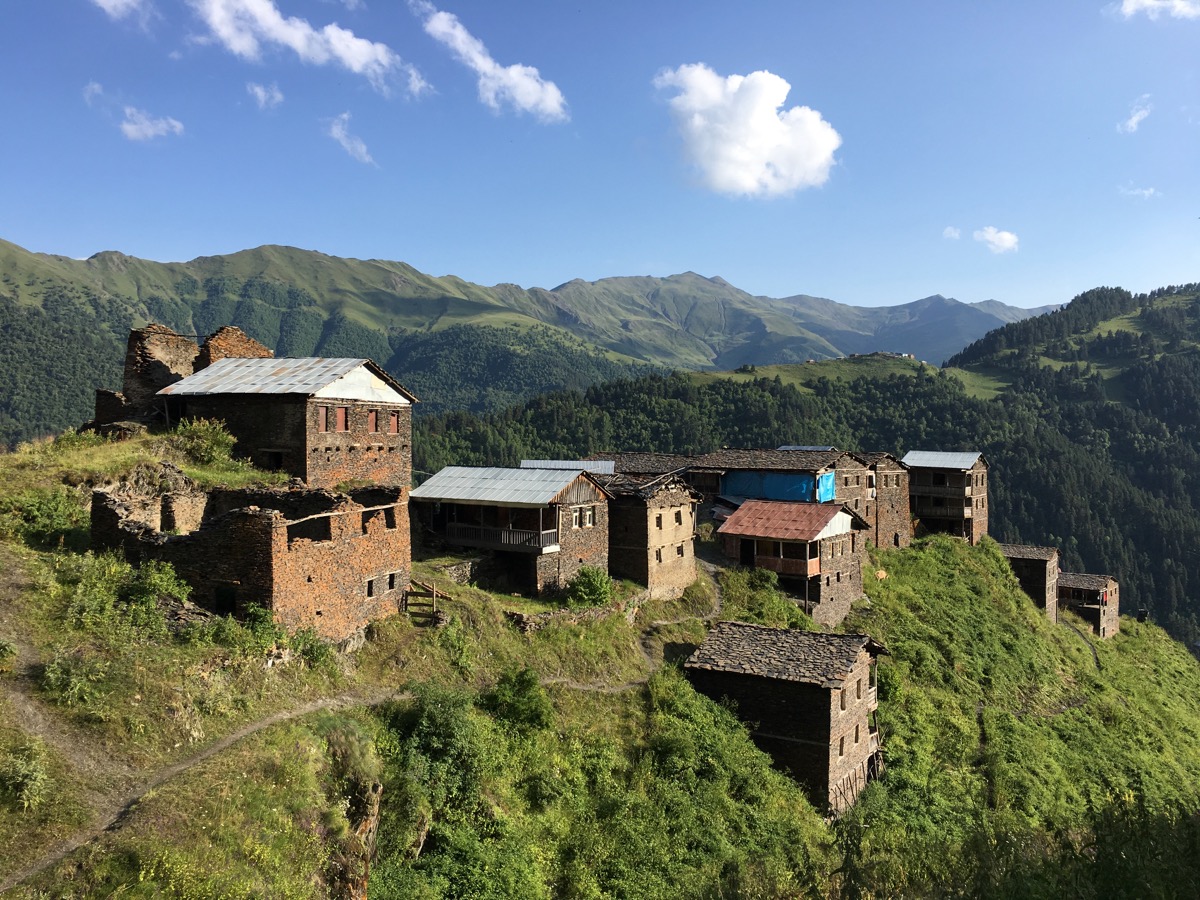
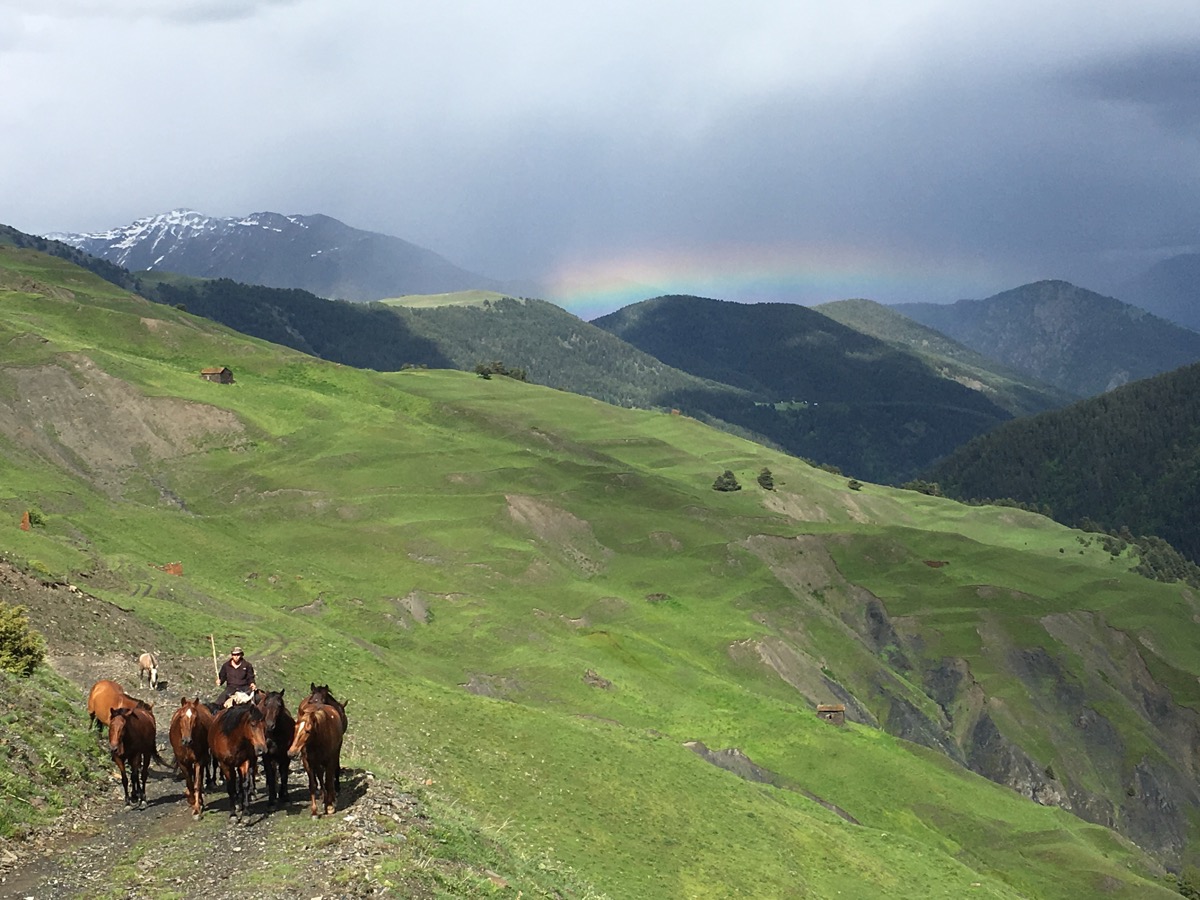
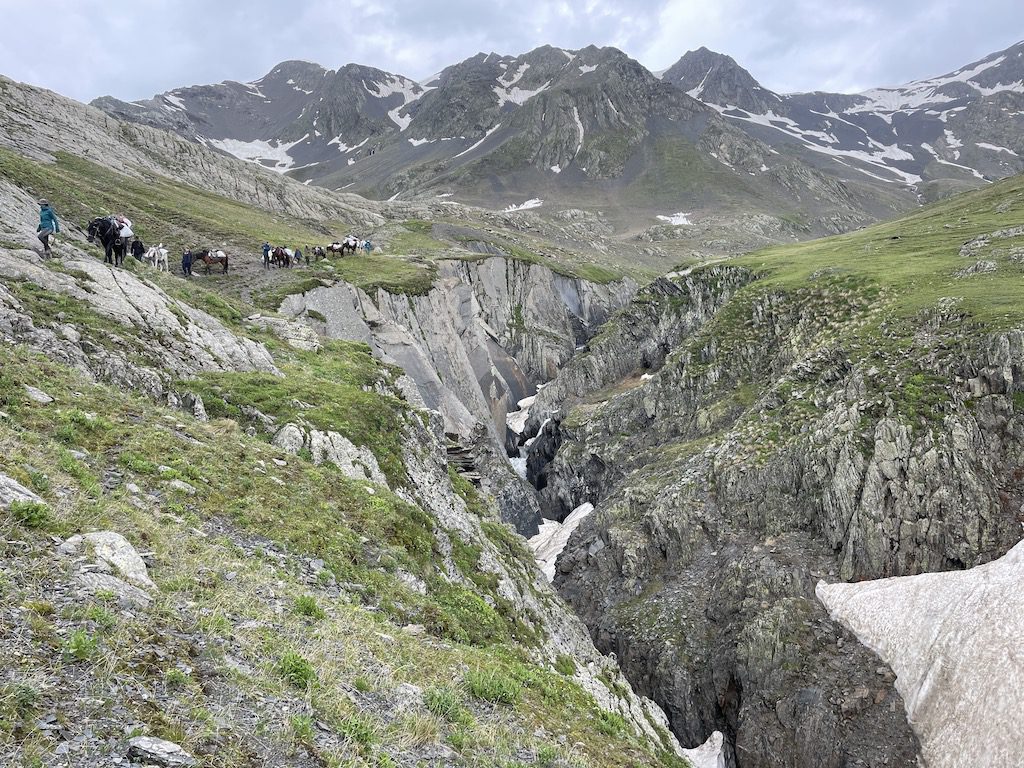
In Tusheti, our mountain horses take you beyond high ridges and mountain passes over 3,000 meters in altitude, to discover the spectacular panoramas of the Great Caucasus Mountains in Georgia. Riding on horseback, we cross vast and wild ancient glacial valleys before reaching small mountain villages clinging to the slopes, crossing mountains torrents and high plateau at 3000m high.
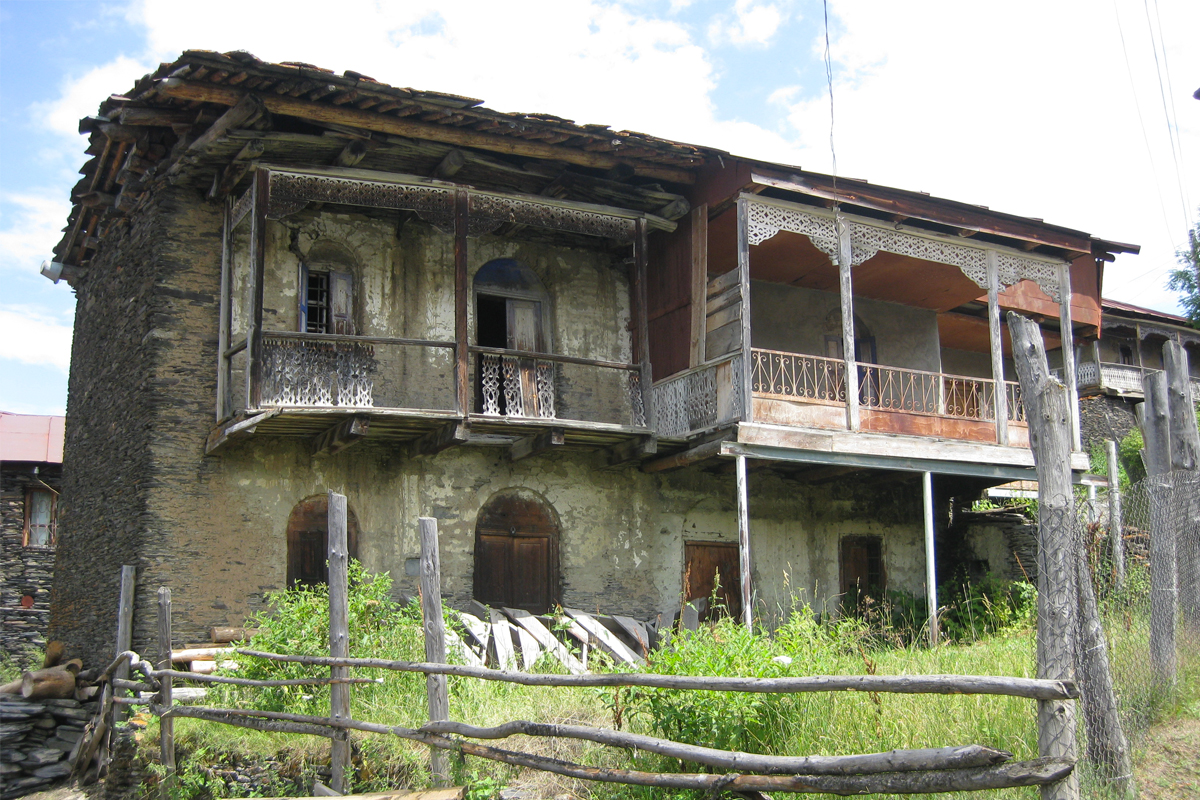
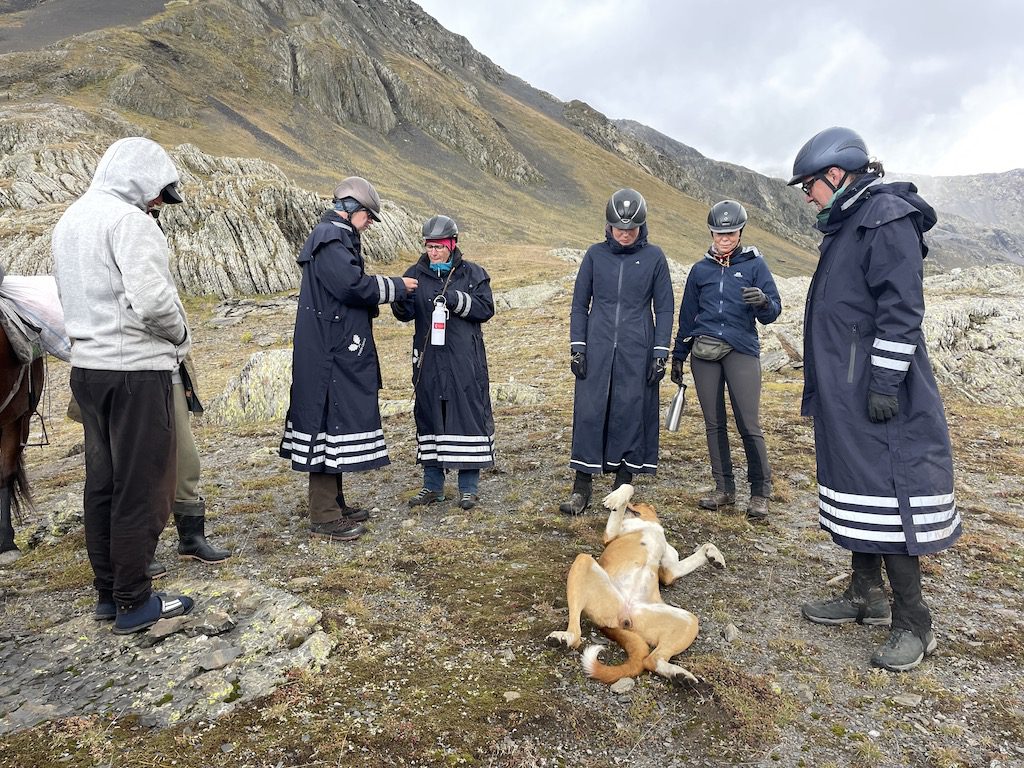
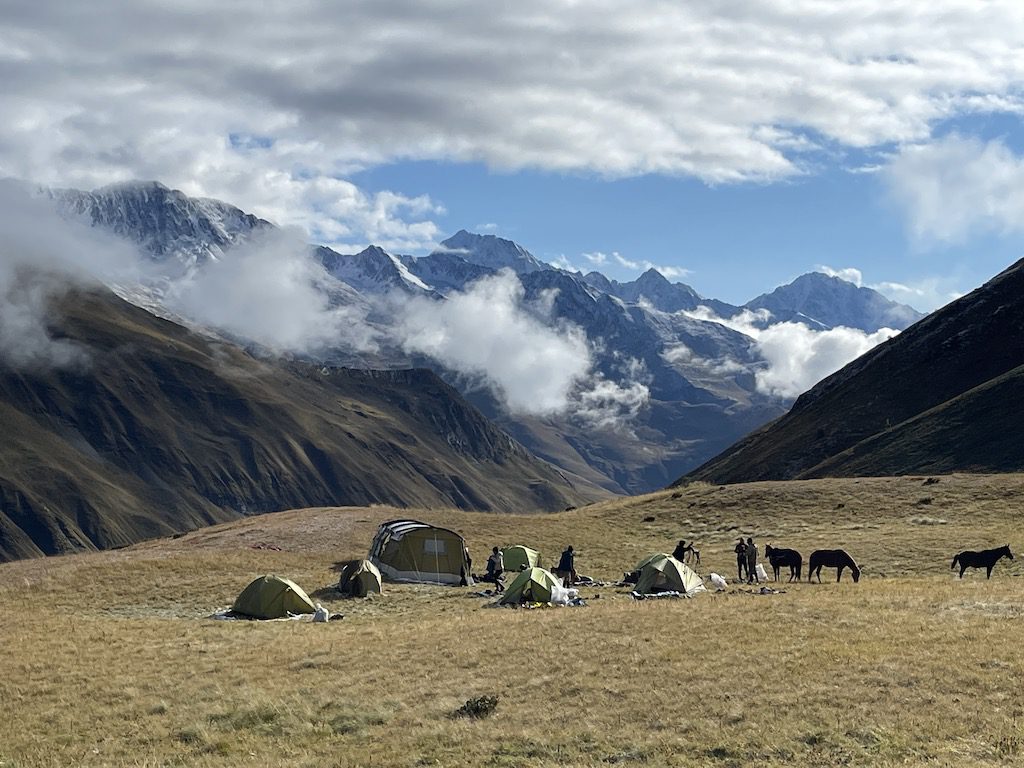
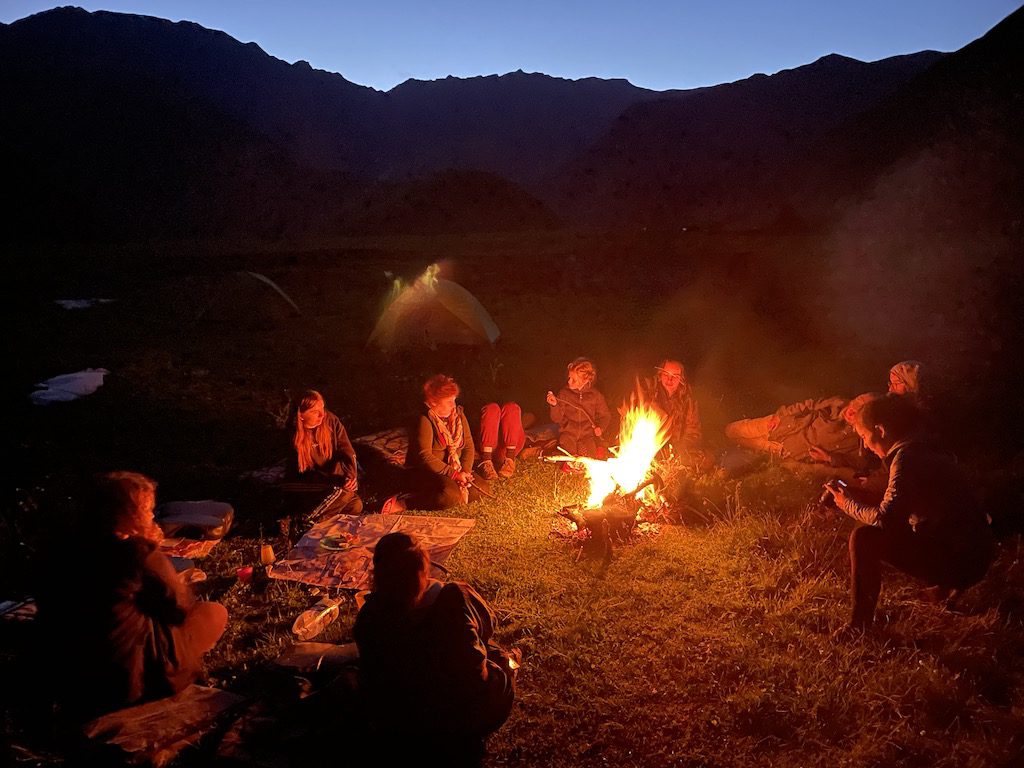
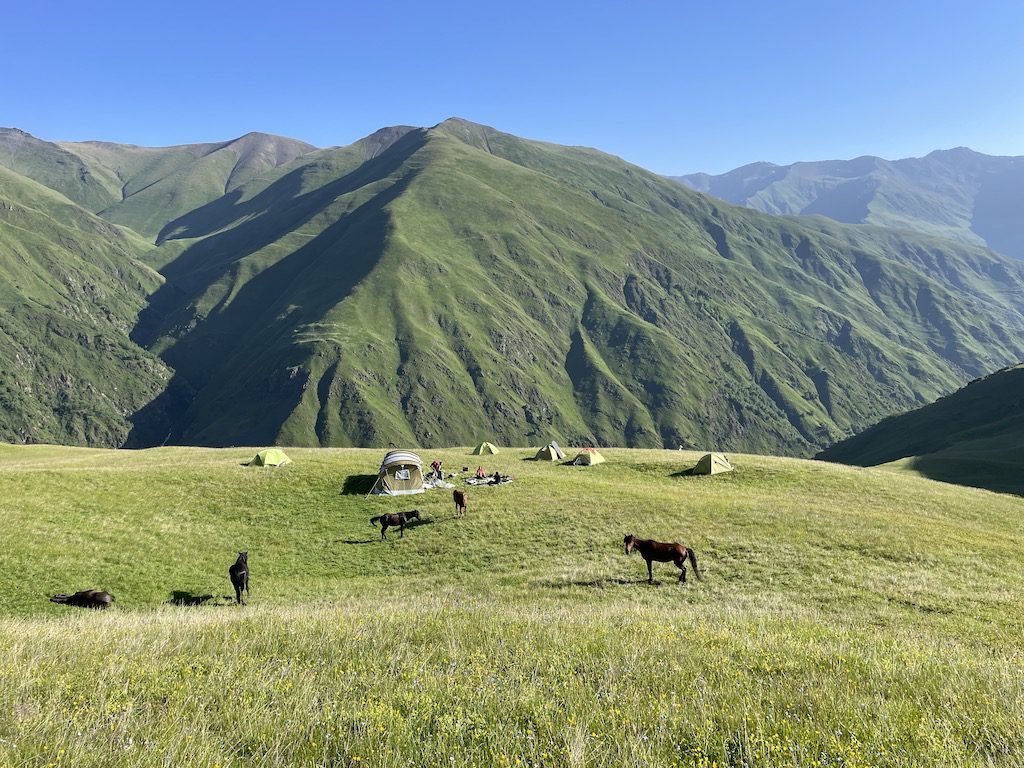
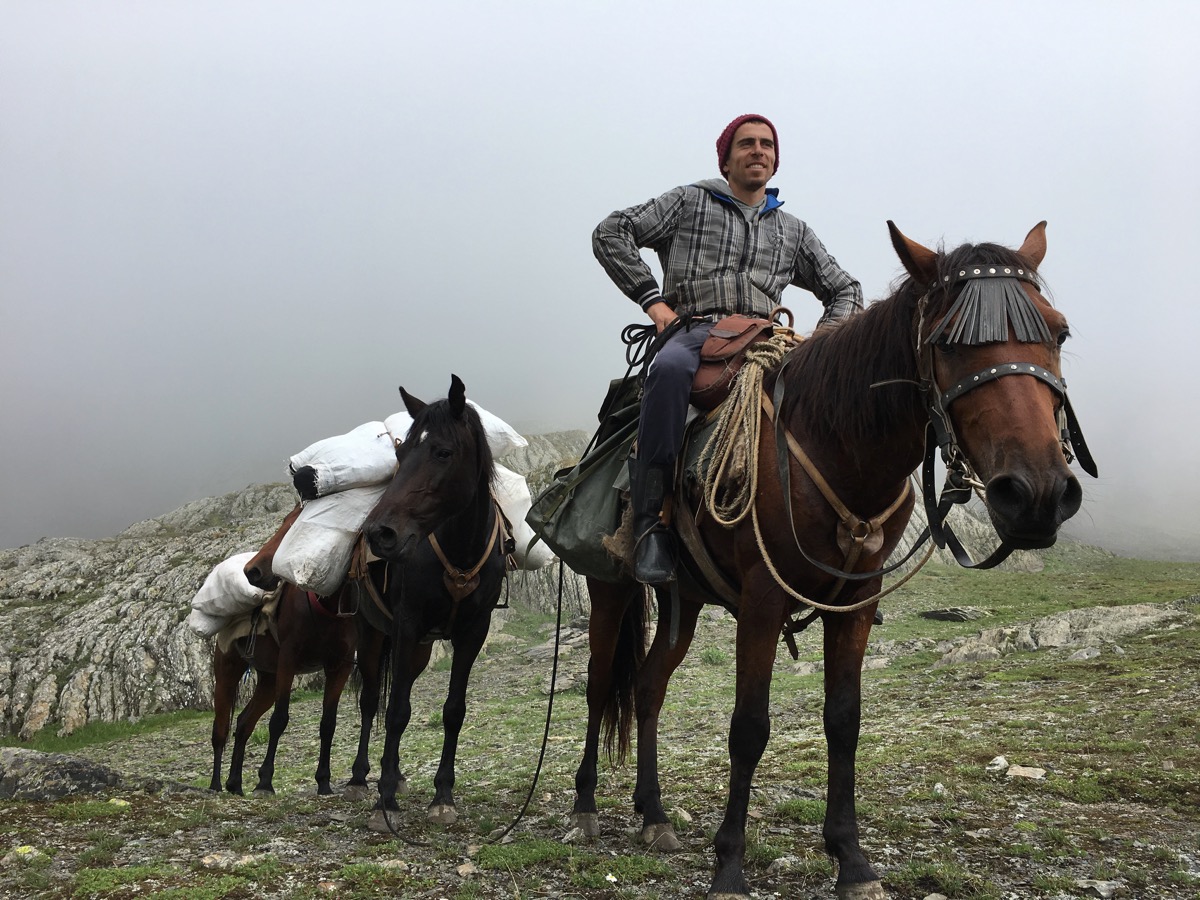
The Wild Tusheti expedition and the transhumance are carried out in full autonomy. Logistics are ensured by pack horses. Nights are spent either in traditional Tush houses and in tents (double tents provided), fully immersed in nature. There is no running water and no electricity. Water comes from the village fountain, and washing is done with cold water, as locals do. During self sufficient treks, mountain rivers become bathing spots.
Every day, we prepare fresh Georgian meals using local products. Here, authenticity is not a concept — it is everyday life.
“The Tush villages” itinerary is the horseback ride with the highest comfort. We overnight in some beautiful and authentic guesthouses. Keep in mind that the Tusheti area remains very secluded so don’t expect luxury or 3* hotel comfort. You are in the Mountains to discover the beauty of remote region. Some guesthouses have shared bathrooms and hot water, others no. There is (unfortunately) Wifi in every guesthouse.
Outside Tusheti, accommodation in Georgia is with local families, and in Tbilisi in a comfortable hotel. In Kakheti, you stay with Tush families, sharing their daily life, meals, and rhythm. You live with them and like them.
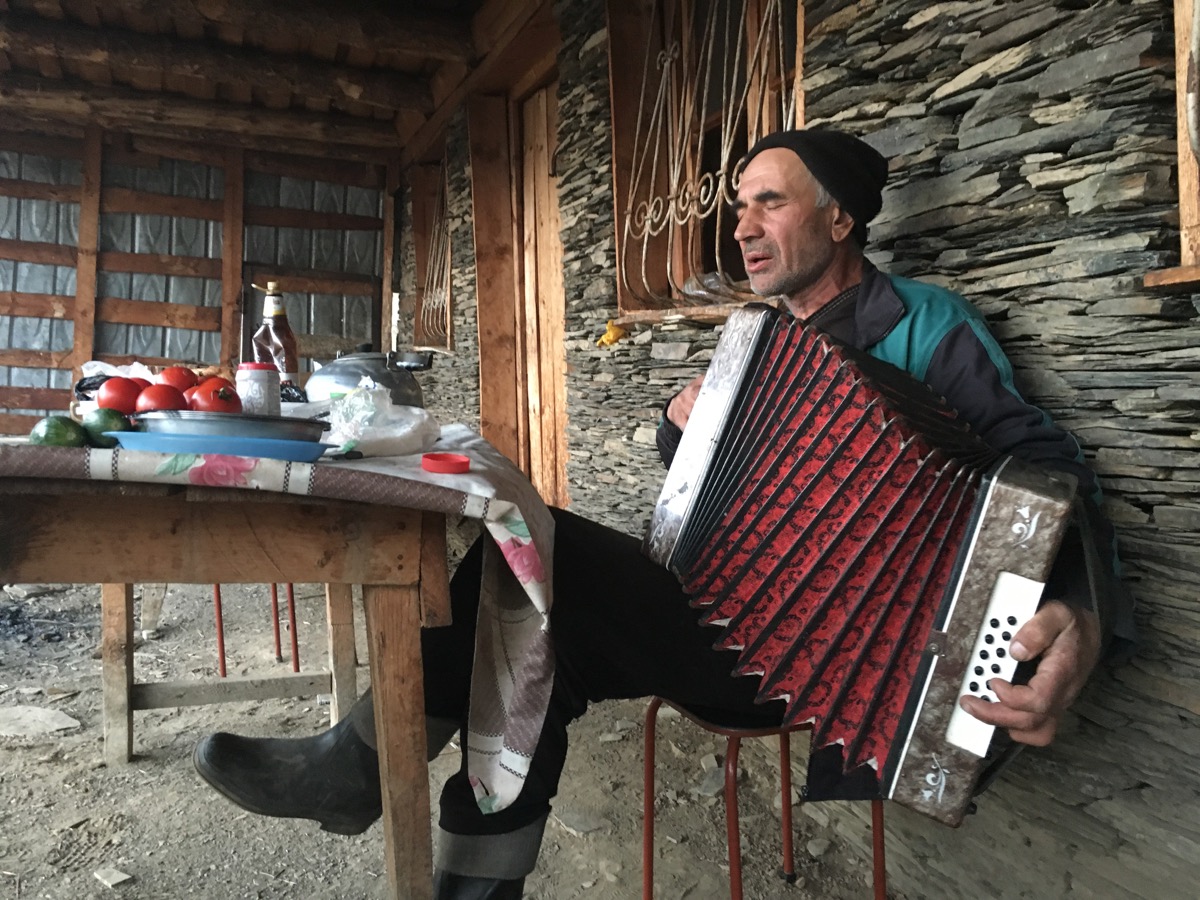
You are fully immersed in the life of the Tush people, among the last semi-nomads of Georgia. Comfort is therefore simple: shared bathrooms with hot water (bania), and rooms for 2 to 4 people. In return, you discover a generous family cuisine, made from garden produce and traditional Tush recipes.
These horseback expeditions in the Caucasus favor off-the-beaten-track routes and meaningful encounters with local communities. Audrey will introduce you to the cultural, historical, and gastronomic heritage of the regions crossed, to better understand their traditions, ways of life, and unique identities.
THE ENVIRONMENT: TUSHETI
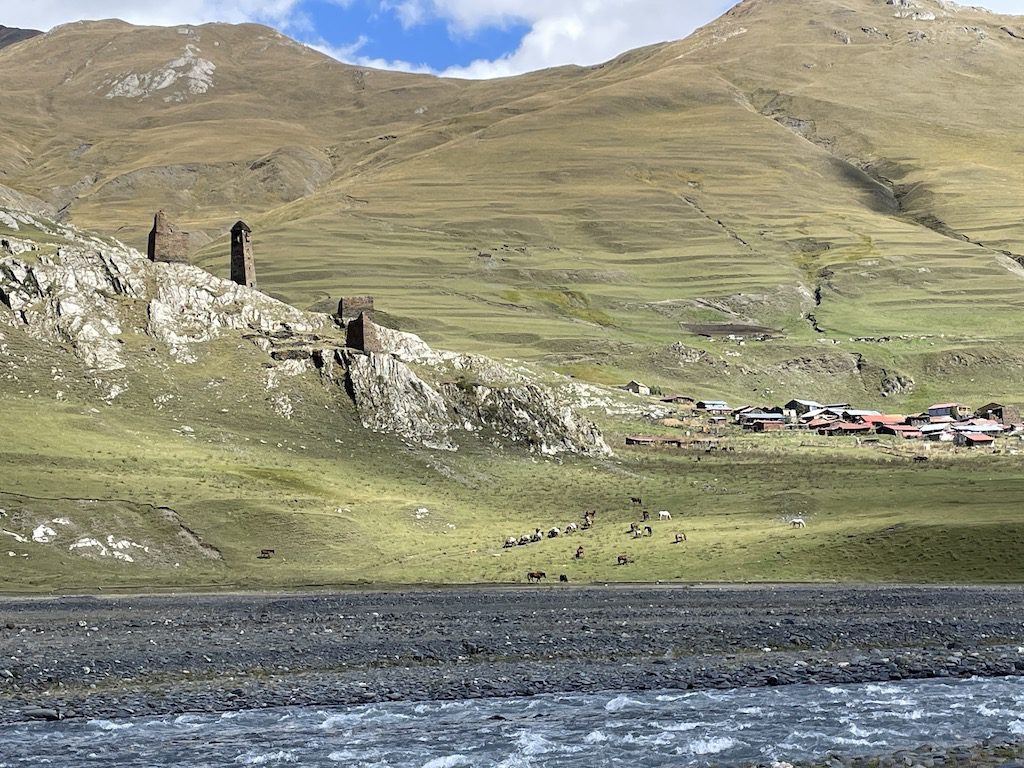
Tusheti, at the Edge of the Great Caucasus
Tusheti lies in the heart of the Great Caucasus range in Georgia.
The only access to this remote mountain region is via a high pass reaching nearly 3,000 meters, snow-covered for more than seven months a year. A single road, built during the Soviet era in World War II, allows vehicle access only from June to October.
Over time, many Tush families migrated to the lowlands to spend milder winters. Until then, they lived in complete self-sufficiency, relying on hunting, fishing, cheese-making, and dairy products, without running water or electricity, without rulers or chiefs, but with legendary heroes — the most famous being Zezva Gaprindauli.
There were two major migration waves to Kakheti: the first around 1830, and the second, much larger, in 1950.
A Mountain Enclave of Many Influences
In this Georgian enclave, interactions with neighboring ethnic groups — Chechens, Avars, Lekebis, Ingush, and Khevsurs — were frequent until the 19th century, especially with peoples from the North Caucasus.
The Tush people were long considered simply as “mountaineers,” a name that alone frightened city dwellers until the early 20th century. Not because they were bandits, but because the reputation of some had spread throughout the Caucasus.
Communication between Caucasian communities was extremely difficult. Beyond the rugged terrain, the existence of nearly 120 distinct dialects often prevented understanding, sometimes even between villages in the same valley. Despite this linguistic isolation, these mountain communities shared common beliefs rooted in Caucasian paganism.
Between Sedentary Life and Transhumance
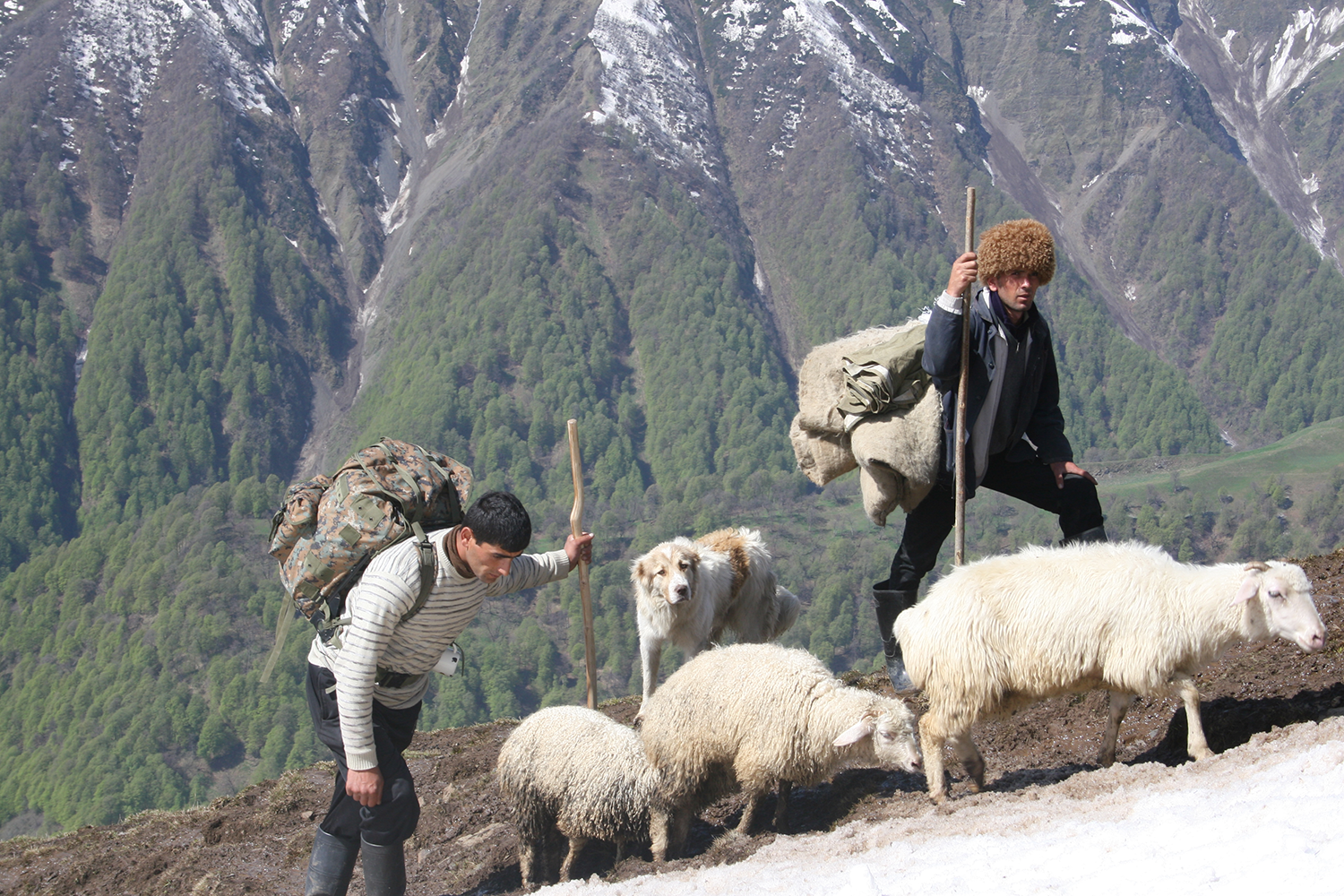
Today, only a handful of people live year-round above 2,000 meters. Another minority — the semi-nomads — continues a way of life shaped by seasonal transhumance.
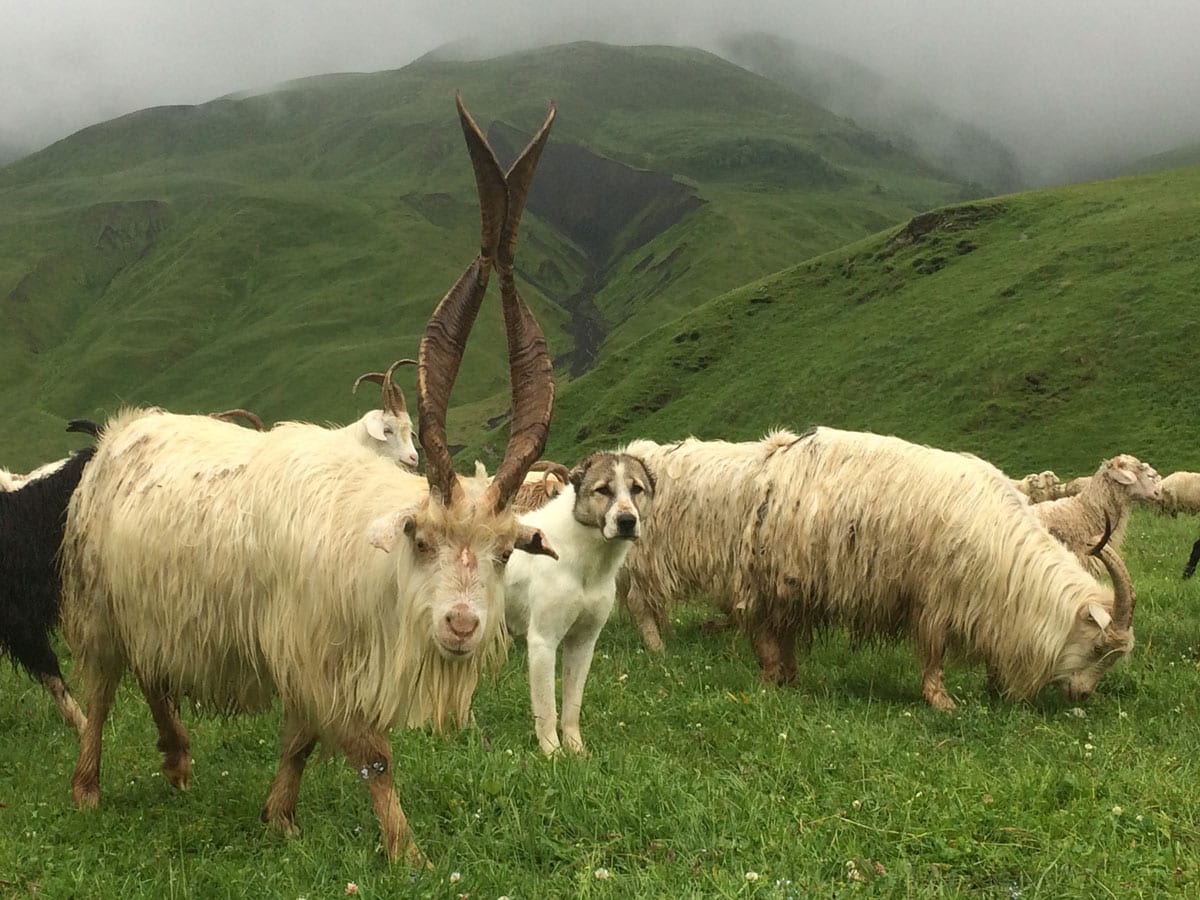
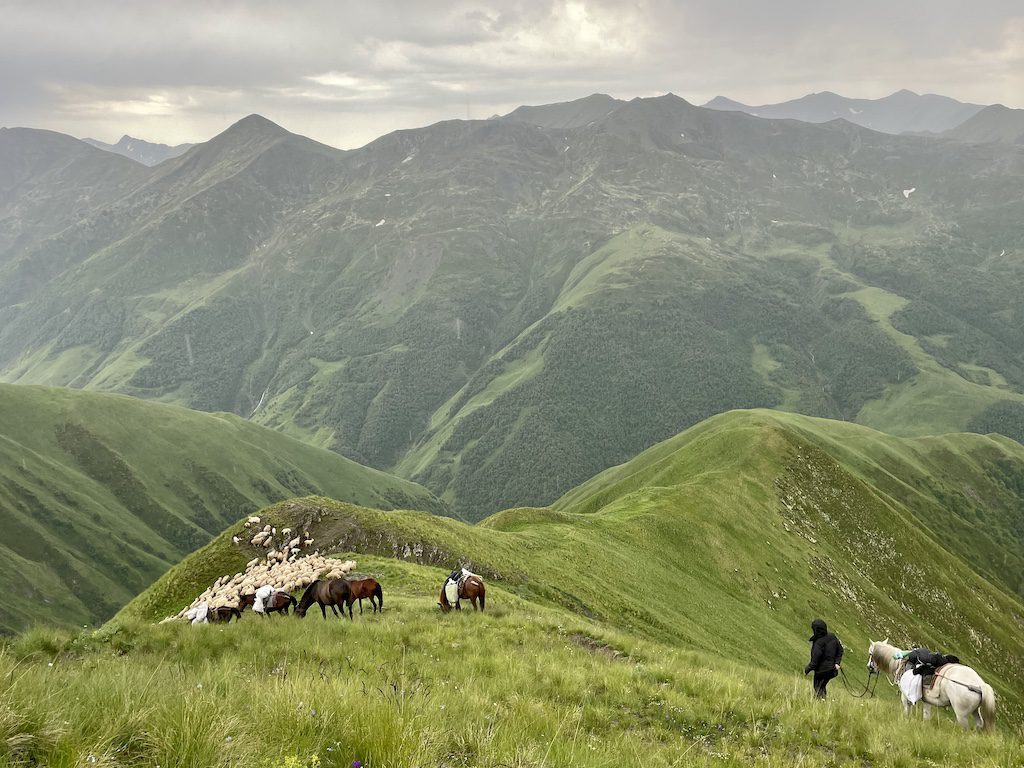
This pastoral population winters in southern Georgia, near the Azerbaijani border, in a semi-desert region known as Vashlovani (Chiraki). From late April onward, shepherds gather their herds and prepare for a journey of nearly 300 kilometers to reach the summer pastures of Tusheti.
A Lived Experience, Guided by Horses
For over twenty years, Audrey has shared her life with semi-nomadic communities and takes part in this ancestral seasonal movement. Together with her horses, she crosses three ecosystems, reaching the lush summer pastures of Tusheti and, in winter, the quiet hills of Vashlovani.
In this mysterious Tusheti, time seems to slow down.
Days follow the sun and Elia, the god of weather, while life follows the rhythm of the seasons. Money has little value here. And even if the harsh environment sometimes reminds us of reality, the simplicity of life, the grandeur of the landscapes, the constant invitation to contemplation, the depth of traditions, and the Tush people’s respect for their land deeply move those who take the time to discover them.
OUR HORSES
Horses of the Great Caucasus Mountains
The horses of the Great Caucasus Mountains are small in size but exceptionally strong. Shaped by centuries of life at high altitude, they are known for their outstanding balance, sure-footedness, and ability to move confidently on steep, rocky, and unstable terrain.
Calm and composed, they move with all four feet firmly grounded, always attentive to their surroundings. Their mindset reflects the mountains themselves: stable, thoughtful, and reliable. These are horses that are mentally balanced, rarely startled, and capable of remaining calm in demanding conditions.
Brave and enduring, they develop a strong bond with humans, showing natural trust and generosity in their effort. We work with ethological methods and kindness, where benevolence is the foundation of training. A horse is the mirror of the person who cares for it.
Riding our Caucasian mountain horses provides a rare feeling of safety and constant balance, almost instinctive. They may not impress by size, but by their intelligence, precision, and extraordinary adaptability to life in the mountains.
More info go to Horseback Expedition Desert Georgia or Horseriding-georgia
3 ITINERARIES
• The Tush villages, 9 days
• Wild Tusheti, 13 days
• Transhumance, driving the horses back to the winter or summer pastures, from 13 days
LOCATION
Great Caucasus Range, Tusheti – Southern Caucasus, Eastern Georgia
National Park and protected natural reserve, with some mountain slopes extending into the northern Caucasus.
TRIP DESCRIPTION – WILD TUSHETI
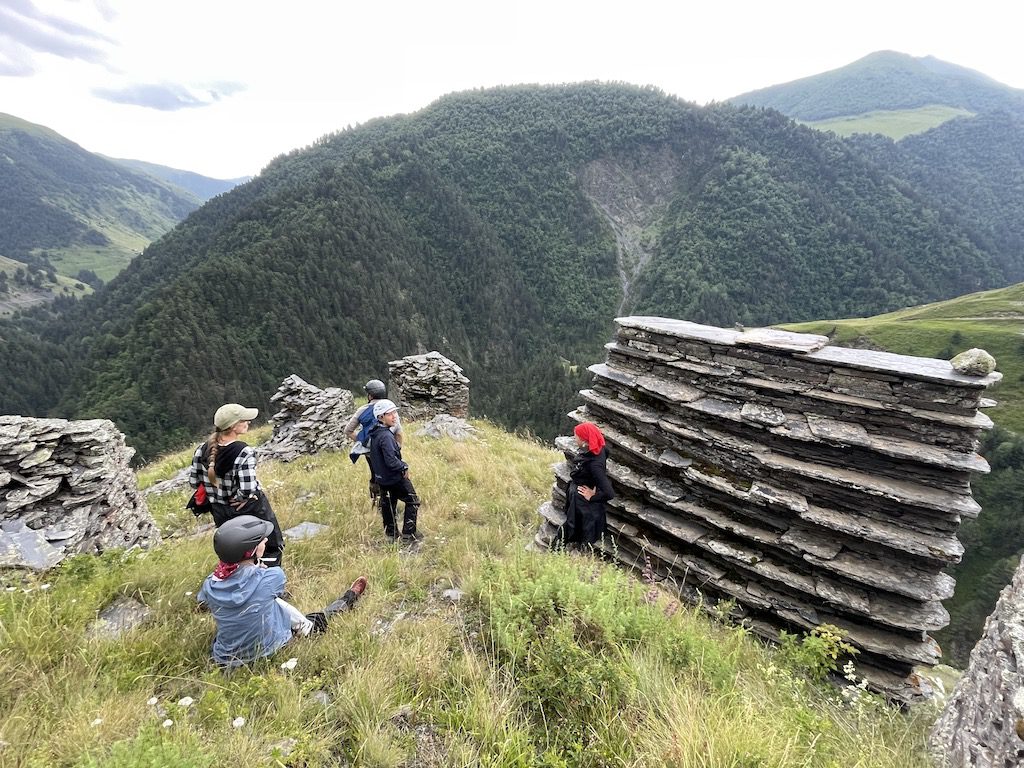
Wild Tusheti is a horseback expedition deep into the Georgian Caucasus, beyond high ridges and mountain passes reaching nearly 3,000 meters, through vast wilderness valleys and eagle-nest villages. This is the most remote region of Georgia, where ancient pagan traditions are still deeply respected.
On the way to Tusheti, we visit historic and legendary sites, discover the famous wine region of Kakheti, and enjoy traditional Georgian cuisine. After the expedition, we experience the vibrant atmosphere of Tbilisi, often called the Venice of the Caucasus or, more recently, the new Berlin.
The Wild Tusheti route is demanding and committed. It crosses four high passes above 3,000 meters and remains without mobile phone coverage for more than four days.
This expedition is accessible from July only, depending on snow conditions.
TRIP DESCRIPTION – TRANSHUMANCE
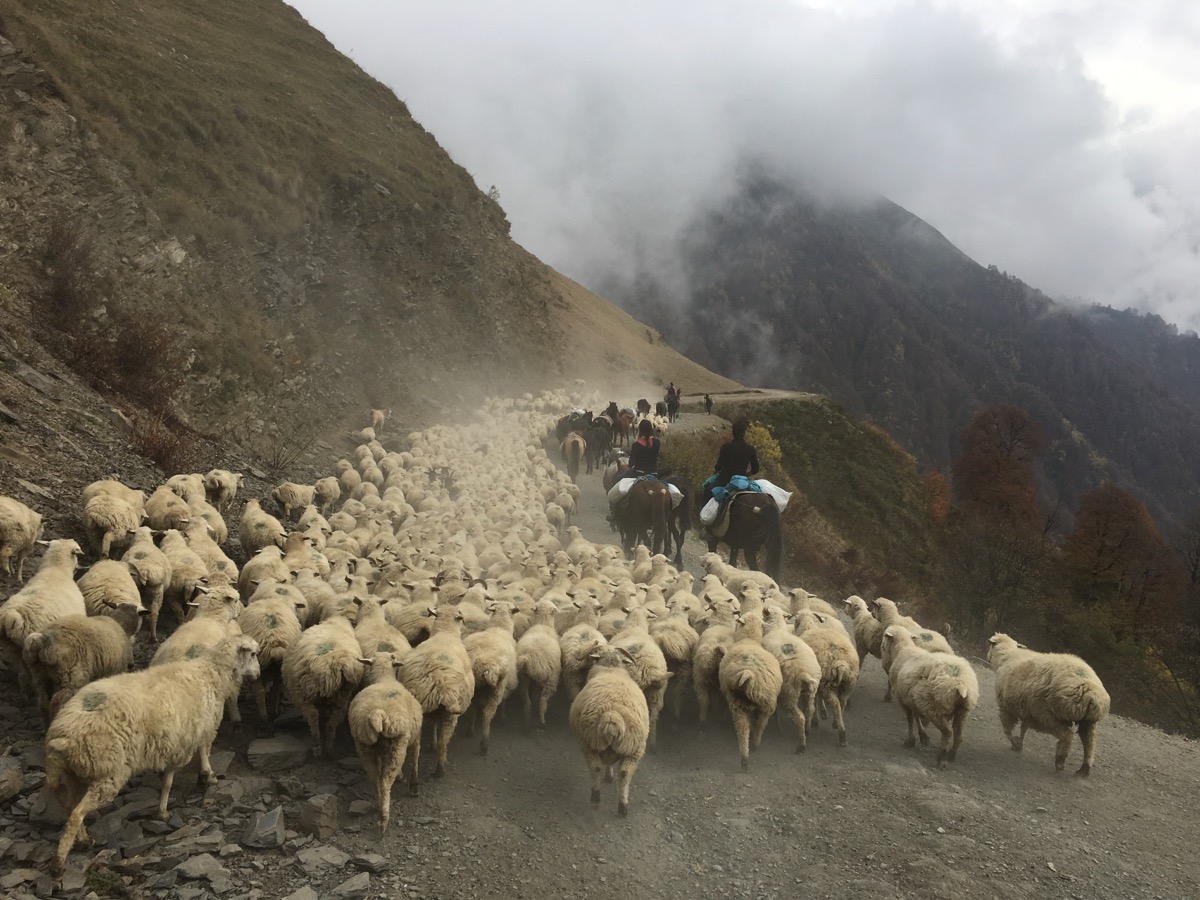
This journey invites you to take part in the biannual transhumance movements of the herds. You escort the horses from the summer pastures to the wintering grounds in autumn, and back to the high estives in spring.
This unique horseback experience crosses three distinct ecosystems: from the high Caucasus mountains to the semi-desert lowlands, via the vineyard plains of Kakheti and spectacular mountain ranges. Encounters with shepherds, horses, and wildlife, unexpected situations, and raw nature are part of the adventure.
You may join one of the four transhumance sections (two in spring, two in autumn), or take part in the entire ascent or descent.
TRIP DESCRIPTION – TUSH VILLAGES RIDE
This horseback journey is offered once a year and focuses on discovering the Tush villages. The itinerary travels through inhabited areas, from the most remote settlements to the more accessible ones.
Riding over a high mountain pass above 3,000 meters, along ridgelines, deep valleys, and powerful rivers, this is the only expedition without camping or pack horses.
Nights are spent in authentic traditional houses, untouched by tourism, and in carefully selected guesthouses chosen for their exceptional locations and atmosphere.
Please note: comfort remains very basic. The primary goal is to discover an ethnic group, its history, and its way of life. Please contact us for further details.
SEASON
June to October
RIDING LEVEL
-
Wild Tusheti & Tusheti Ride: intermediate level
(beginners possible under specific conditions – please contact us) -
Transhumance: good riding level required
TECHNICAL DETAILS
-
Minimum: 3 riders
-
Maximum: 8 riders
-
Fully autonomous horseback expeditions
-
Pack horses ensure all logistics
-
Private departures available
-
Fresh, local cuisine prepared daily
ACCOMMODATION
-
During the ride: traditional houses and double tents (provided)
-
Outside the ride: homestays and a comfortable hotel located in Old Tbilisi, a few steps from Sololaki
NOTES
-
Private departures from 5 participants – tailor-made trips available
OUR HORSES – A LIFE CLOSE TO NATURE
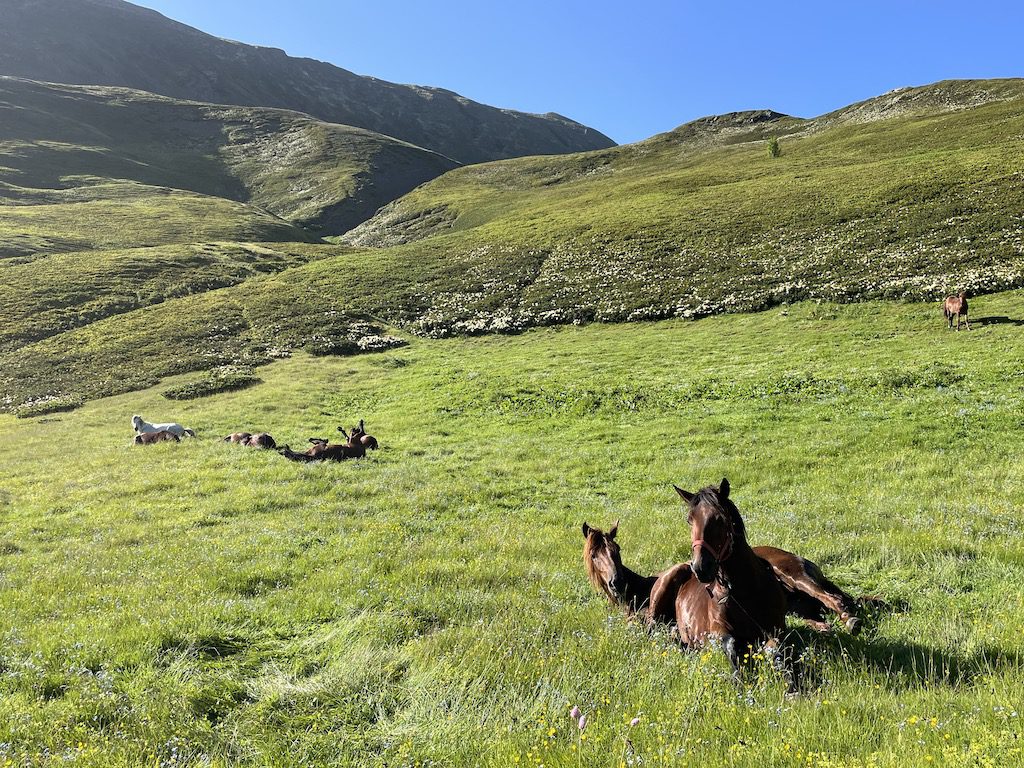
Our horses live in semi-freedom all year round.
But what does semi-freedom really mean?
It means that our horses live as close as possible to their natural instincts: free to move, living in herds, roaming vast and wild landscapes, while benefiting from attentive, respectful, and responsible care.
A LIFE SHAPED BY THE SEASONS OF THE CAUCASUS
From June to October, when our horses are not engaged in horseback expeditions in Tusheti, they live in total freedom in the mountains of the Great Caucasus. At high altitude, they move naturally, build strength and endurance, and maintain both physical balance and mental calm.
From November to March, they spend the winter in complete freedom in Vashlovani National Park, a remote semi-desert area whose open spaces and dry climate are particularly well suited to their winter well-being.
From mid-March to mid-May, the horses either roam freely in large open pastures or accompany us during our expeditions in the Georgian semi-desert of Udabno.
Between 2 rides they have one week off
This way of life produces strong, balanced, and willing horses, perfectly adapted to long distances and the demanding terrain of the Caucasus Mountains.
THE HORSE: A CORNERSTONE OF CAUCASIAN MOUNTAIN CULTURE
In the mountains of the Caucasus, the horse has played a central role for centuries.
Shepherds rely on horses as pack animals to transport equipment during transhumance and construction work, and as their primary means of travel in regions where roads are scarce or non-existent.
The Tush people, like many Caucasian highland communities, are true horse cultures. It is often said that a Tush child learns to ride before learning to walk. Until only a few decades ago, Caucasian peoples crossed vast distances on horseback, riding over high passes and snowy summits to reach their loved ones.
Beyond its practical role, the horse is also a symbol of identity, embodying the image of the warrior-rider, deeply rooted in Caucasian culture.
A SPIRITUAL AND RITUAL CONNECTION
The horse also holds a powerful place in ancient pagan funeral rituals of the Georgian Caucasus.
One of the most striking is a traditional horse race known as Doghi, ridden by young horsemen. This ritual honors the deceased and expresses the profound bond between humans, horses, and the mountain world.
Georgia — Country Overview: click here and wikipedia
PASSPORT
Formalities: No visa required. Valid passport. 6 months validity at the return date.
Capital: Tbilisi
Language: Georgian, Caucasian language, Kartvelian family.
Currency: Lari GEL. 1 euro = 3,2 GEL (February 2026)
More info:
https://fr.wikipedia.org/wiki/Géorgie_(pays)
PROHIBITED PRODUCTS
ATTENTION: all products derived from Codeine molecules are strictly forbidden in Georgia. Please consult
http://www.rs.ge/en/5982
as well as
http://www.incb.org/documents/Psychotropics/guidelines/travel-regulations/2013-travellers-update/GEO_26_August_2014_Original_travellers_II_-_LTR_-_table.pdf
MY TIPS: Do not even try to bring such drugs into Georgia. (codein / tremadol)
INSURANCE — ENTRY INTO GEORGIA
We remind you that, in accordance with Georgian tourism law, and as in other tourist countries, it will be mandatory for tourists entering Georgia to take out health and accident insurance.
From January 1, 2026, any tourist entering Georgian territory must carry proof of insurance:
-
In paper or electronic format;
-
Written in Georgian or English;
-
The amount of coverage must be at least 30,000 GEL. (Coverage must include at least $5,000 for emergency outpatient care (approximately €4,275) and $30,000 for hospitalization or treatment in a medical facility (approximately €25,650).
-
The certificate may be issued by a Georgian or foreign insurance company.
The following information must appear on the certificate: the insured parties, the covered territory, the purpose of the insurance, the start and end dates of coverage, the risks covered, the amount of coverage (and its limits), the amount of the deductible, as well as the place and terms of payment.
Furthermore, it should be noted that every tourist must be covered by health and accident insurance for the entire duration of their stay in Georgia, from the moment of arrival.
We inform you that the date of adoption and entry into force of the decree of the Georgian government “Approving the rules and conditions of mandatory health and accident insurance for tourists entering Georgia” is set for January 1, 2026.
👉 Remember to check your policies or take out insurance before your trip in order to avoid any unpleasant surprise at the border.
For more information on this subject, consult my updated article now:
https://www.nelavoyage.com/blog-article-demarches-administratives/
To consult the guaranteed departures
Schedule of departures / availabilities
To get the detailed program day by day